Browse Items (502 total)
 Image of Aluminium smelter 1st pour ingot
In 1929 the Lochaber aluminium smelter opened in Fort William. The British Aluminium Company had developed an area of 303 square miles around Ben…
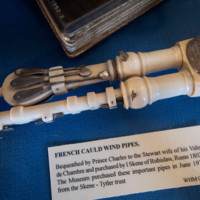 Image of Musette
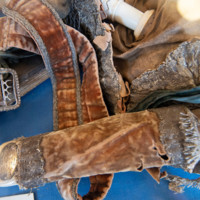 Image of Musette
Musettes are small, elegant bagpipes that were fashionable in French court circles in the 17th and 18th centuries. This set of French bellows-type…
 Image of Portalloch harp/clarsach
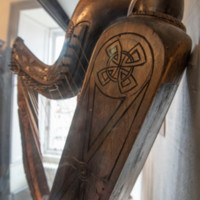 Image of Portalloch harp/clarsach
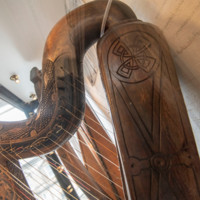 Image of Portalloch harp/clarsach
This beautifully decorated clarsach, or Scottish harp is in the style of the Queen Mary harp, the original design of which dates from the reign of…
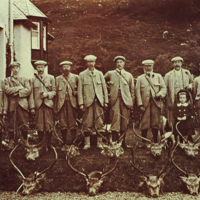 Image of Stalker’s telescope
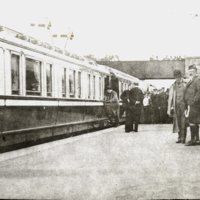 Image of Stalker’s telescope
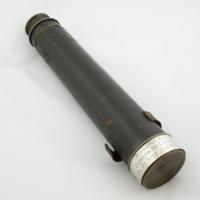 Image of Stalker’s telescope
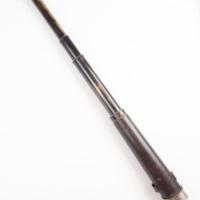 Image of Stalker’s telescope
 Image of Stalker’s telescope
This leather-bound stalker’s telescope has been selected because of its association with the Highlands. It is a typical example of equipment ghillies…
 Image of Golden eagle
This fine taxidermy specimen of a golden eagle came to the museum in 1940. There is no record as to when it was prepared, but our records show that…
 Image of Jas whisky bottle & measures
This glass bottle contains a fine whisky said to be almost 200 years old. The faded label reads "from Jas. Young, Family Grocer, Wine & Spirit…
 Image of Illicit whisky still
This pot still has a mysterious history. It was found abandoned anonymously on the steps of the museum in the 1920s. The damage was caused by some…
 Image of FS 1st pattern fighting knife
This iconic 1st pattern F-S Fighting Knife was designed by William Fairbairn and Eric Sykes in 1940. The duo trained special forces including the SOE…
The birching table is from the old court house in Fort William where the birchings were carried out. It was last used in 1948, when a 15-year-old boy…
“October in Knoydart”, is an oil on canvas signed by the artist. It depicts Lochaber’s wild mountainous scenery and was selected for the gallery…
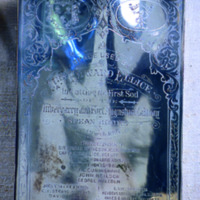 Image of Railway spade
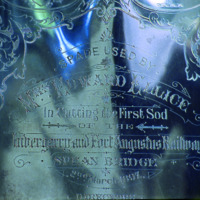 Image of Railway spade
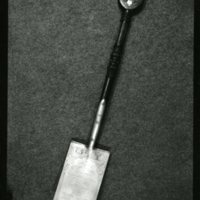 Image of Railway spade
 Image of Railway spade (close up)
These decorated silver ceremonial spades were used to cut the first sods of local railway lines in the late 19th century. The first spade was used to…
 Image of Coffin guard
This is a coffin guard or mort safe and is designed to prevent body snatchers stealing the corpse of someone who has recently died. In the early…
The iconic Lochaber axe has been included in the gallery because it is still an important symbol of the area today, even appearing on the West…
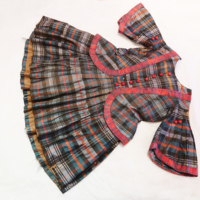 Image of Roshven child’s dress
 Image of Roshven child’s dress
This is a beautiful example of a 19th century child’s tartan dress. The full skirt with flared sleeves is hand stitched. The tartan sett is Murray…
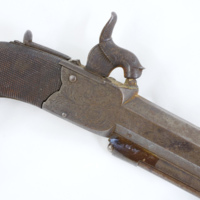 Image of MacFarlane pistols
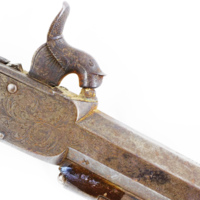 Image of MacFarlane pistols
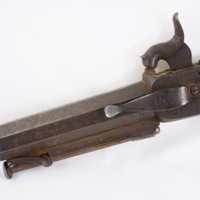 Image of MacFarlane pistols
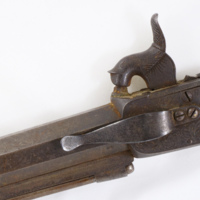 Image of MacFarlane pistols
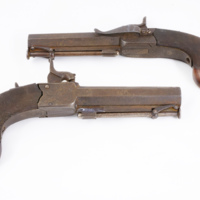 Image of MacFarlane pistols
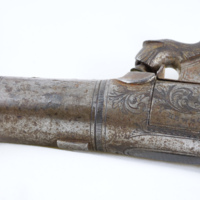 Image of MacFarlane pistols
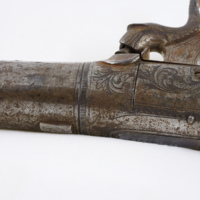 Image of MacFarlane pistols
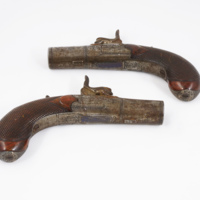 Image of MacFarlane pistols
 Image of MacFarlane pistols
Two pairs of pistols that belonged to Lochaber man Major James MacFarlane (1774 - 1849) who worked in India with the Honourable East India Company.…
This local Lochaber scene depicts women waulking cloth on the shores of Loch Nan Uamh. Six women are seated in a rough circle wielding short mallets…
 Image of John Brown memorial pin
This rare and exquisite memorial tie pin was commissioned by Queen Victoria (1819 – 1901) on the death of John Brown (1826 – 1883). The Queen gifted…
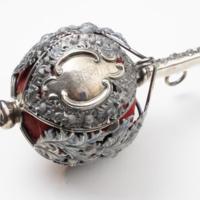 Image of John Brown’s highland dress
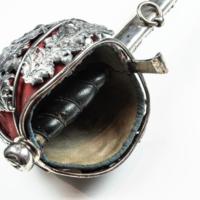 Image of John Brown’s highland dress
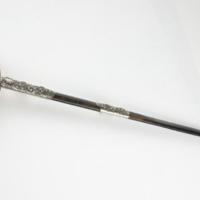 Image of John Brown’s highland dress
 Image of John Brown’s highland dress
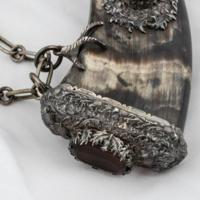 Image of John Brown’s highland dress
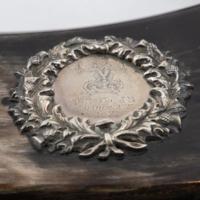 Image of John Brown’s highland dress
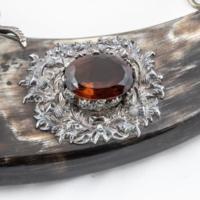 Image of John Brown’s highland dress
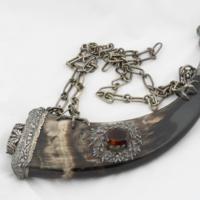 Image of John Brown’s highland dress
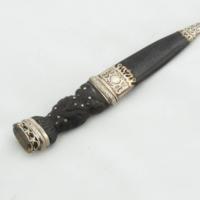 Image of John Brown’s highland dress
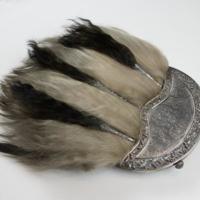 Image of John Brown’s highland dress
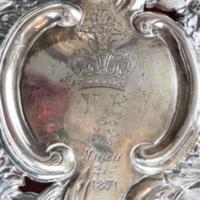 Image of John Brown’s highland dress
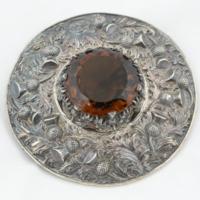 Image of John Brown’s highland dress
This is the Highland outfit Queen Victoria (1819 – 1901) presented to her trusted Scottish servant, John Brown (1826 - 1883), on the occasion of her…
 Image of Fort William Post horn
This Victorian post horn is made from a cow horn and has a metal mouthpiece decorated with a caberfeidh (stag's head) and shield. It is on a shoulder…
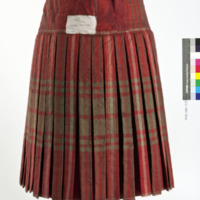 Image of Sobieski kilt
 Image of Sobieski kilt
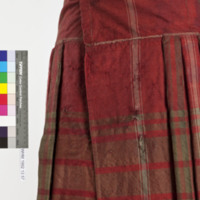 Image of Sobieski kilt
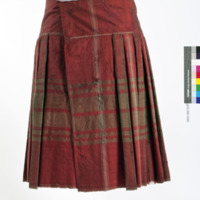 Image of Sobieski kilt
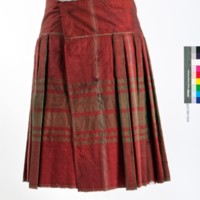 Image of Sobieski kilt
This hard-tartan box pleated Stuart kilt in the Duke of Rothesay tartan and is said to have been worn by the Sobieski brothers. The tartan is their…
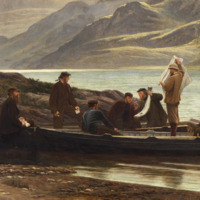 Image of Henry Tamworth Wells
 Image of Henry Tamworth Wells
This very large oil painting by Henry Tanworth Wells (1828–1903) hangs at Arisaig House. It was a wedding gift to Gertrude Astley from her sisters…
 Image of Silver quaich
Silver quaichs are used by Scots to take a wee dram of whisky. This silver quaich has a fascinating story to tell and is said to have been drunk from…
 Image of Queen Victoria’s riding whip
Queen Victoria (1819 - 1901) certainly had a love of horse riding and was an accomplished equestrienne. This gold mounted riding whip belonged to the…
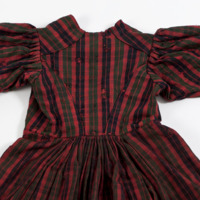 Image of Hard tartan dress
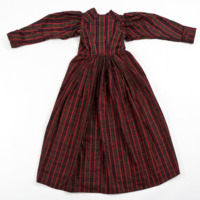 Image of Hard tartan dress
 Image of Hard tartan dress
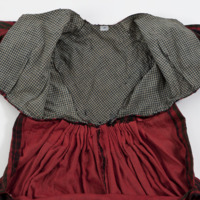 Image of Hard tartan dress
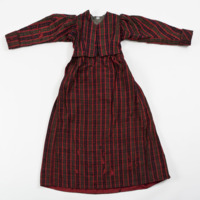 Image of Hard tartan dress
This hard-tartan dress was handmade on the Scottish island of Benbecula in the early half of 19th century. It shows signs of wear, tear and repair,…
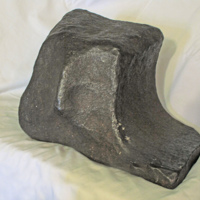 Image of Clan Ranald anvil
 Image of Clan Ranald anvil
This object is a bit of a mystery. Known as the Clanranald Anvil, it probably dates back to the 14th or 15th century. It is a very heavy irregular…
 Image of Governor’s room (include key 787, wine table L760 specs in wall L420)
This is the largest object in the West Highland Museum collection and maybe one of the most intriguing. It came from the old fort (An Gearasdan) at…
 Image of Child’s Highland outfit
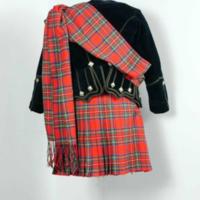 Image of Child’s Highland outfit
This is a typical example of a 19th century Highland outfit made for a child. It comprises of a kilt, jacket, sash, sporran, and Glengarry. It…
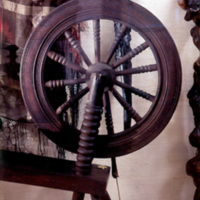 Image of Flora MacDonald's Spinning wheel
 Image of Flora MacDonald's Spinning wheel
This spinning wheel used for spinning thread or yarn from fibres was made in the French pattern, and was gifted to the West Highland Museum along with…
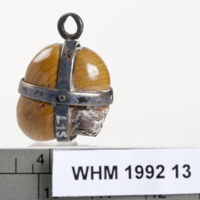 Image of Charm stones - Charm of deliverance
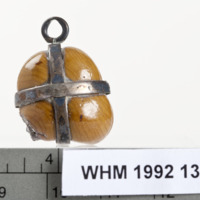 Image of Charm stones - Charm of deliverance
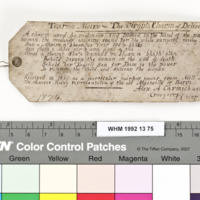 Image of Charm stones - Charm of deliverance (tag)
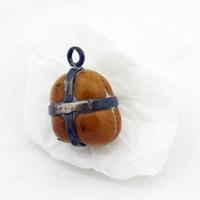 Image of Charm stones - Charm of deliverance
Charms were an integral part of Highland culture for centuries. There are a good variety of charms in the museum, covering everything from preventing…